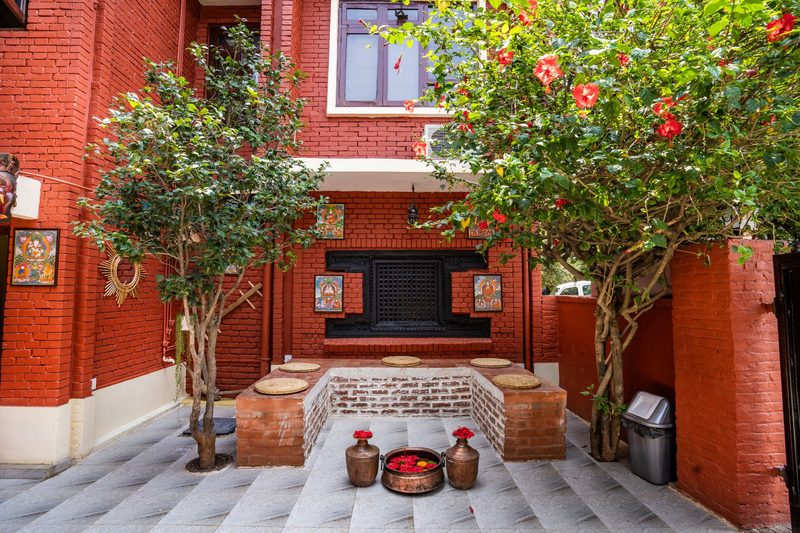

Where to Stay in Kathmandu
Your guide to the best areas and accommodation types
Kathmandu sprawls across a dusty valley, ringed by green hills. Its neighborhoods stack brick temples against rooftop restaurants and narrow alleys that smell of incense and fried dough. Thamel draws the crowds. Walk ten minutes in any direction and monastery bells replace bar music. The city rewards staying in different pockets.
Thamel handles trekking logistics and nightlife. Patan delivers craft and calm. Boudha offers spiritual immersion. A comfortable mid-range double runs roughly $40-80 in most areas. Thamel and Boudhanath command slight premiums during festival weeks.
Budget
$8-20 per night for hostels, guesthouses, and basic hotels
Mid-Range
$40-90 per night for 3-4 star hotels with reliable hot water and breakfast
Luxury
$120-250 per night for heritage properties and international five-stars
Where to Stay in Kathmandu
Hand-picked hotels across price tiers for every visitor.
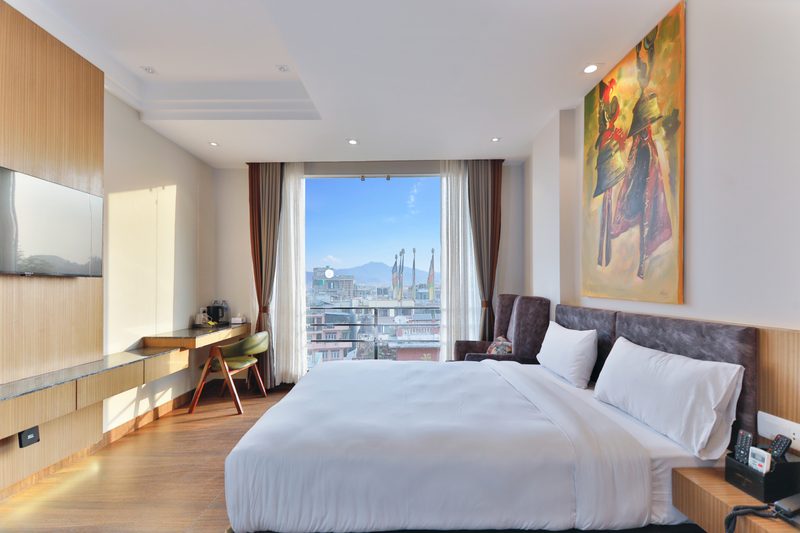
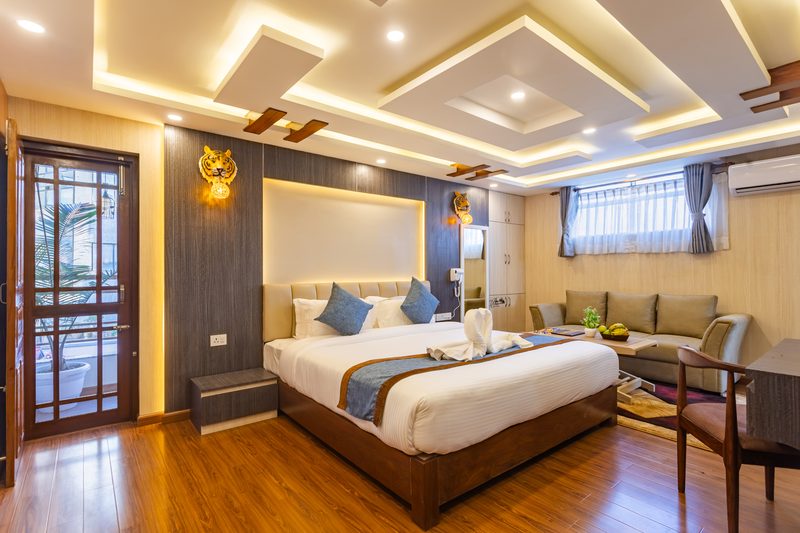
Best Areas to Stay
Each neighborhood has its own character. Find the one that matches your travel style.
Hotel recommendations verified
Thamel
Budget to mid-range
Thamel pulses as the backpacker nerve center of Kathmandu. Narrow lanes grid together trekking gear shops, rooftop bars, and guesthouses stacked five stories high. Neon signs flicker over doorways selling permits, SIM cards, and banana pancakes. The air carries momos steaming in bamboo baskets. Live music thumps from basement bars. Thamel sits within walking distance of Durbar Square. It is the staging ground for Annapurna and Everest treks.
- ✓ Highest density of travel agencies and trekking outfitters in Nepal
- ✓ Restaurants serving everything from Newari cuisine to wood-fired pizza
- ✓ Easy access to taxis, airport buses, and tourist shuttle services
- ✓ ATMs and money changers on every block
- ✗ Persistent street touts and rickshaw drivers along the main drag
- ✗ Noise from bars carries past midnight, on Fridays and Saturdays
- ✗ Narrow lanes flood ankle-deep during heavy monsoon downpours
Recommended places to stay in Thamel
Patan (Lalitpur)
Mid-range
Patan sits across the Bagmati River from central Kathmandu. This is the craft capital of the valley. Its Durbar Square runs smaller and less chaotic than Kathmandu's. Bronze workshops and thangka painting studios cluster nearby. Mustard oil and sandalwood drift from neighborhood temples. Walking here feels unhurried. Temple bells ring. Metalworkers tap statues into shape. No taxi horns.
- ✓ Patan Durbar Square is walkable and less crowded than Kathmandu's
- ✓ Strongest concentration of traditional Newari metalwork and thangka studios
- ✓ Better maintained streets and fewer traffic snarls than central Kathmandu
- ✓ Excellent Newari restaurants tucked into restored brick courtyards
- ✗ Fewer budget accommodation options compared to Thamel
- ✗ Crossing the Bagmati bridge into central Kathmandu takes 20-40 minutes by taxi. Traffic dictates the pace.
Recommended places to stay in Patan (Lalitpur)
mid_range
Inn Patan
Boudhanath
Budget to mid-range
Kathmandu's Tibetan Buddhist quarter radiates outward from the enormous white stupa. This ranks among the largest in South Asia. Maroon-robed monks circle the dome at dawn and dusk. Brass prayer wheels spin with steady clicks. Juniper smoke thickens the air from monastery rooftops. Chanting drones from gompa doorways. Thangka shops and Tibetan restaurants ring the kora circuit. Boudha sits about seven kilometers east of Thamel.
- ✓ Immersive spiritual atmosphere around the stupa at sunrise and sunset
- ✓ Multiple monasteries offer meditation courses and retreats
- ✓ Quieter and less polluted than central Kathmandu
- ✓ Strong Tibetan food scene with hand-pulled noodles and butter tea
- ✗ Seven-kilometer commute to Thamel by taxi or local bus for trekking logistics
- ✗ Limited nightlife and bar options beyond rooftop cafes around the stupa
Recommended places to stay in Boudhanath
Lazimpat
Mid-range to upscale
Lazimpat stretches north from Thamel along a tree-lined boulevard. This is the embassy district. Walled compounds hide behind wrought-iron gates. Upscale restaurants, jazz bars, and small boutique hotels fill the gaps. The road climbs gently toward Budhanilkantha. The air runs cleaner than on the valley floor. Thamel lies a ten-minute walk south.
- ✓ Walkable to Thamel but markedly quieter, after dark
- ✓ Tree-lined streets with wider sidewalks than central Kathmandu
- ✓ Several of Kathmandu's best international restaurants along the main road
- ✓ Embassy presence means better road maintenance and security
- ✗ Hotel options thinner than Thamel, so peak-season availability tightens quickly
- ✗ Limited street food and local market access compared to Ason or Thamel
Recommended places to stay in Lazimpat
mid_range
Hotel Shanker
Freak Street (Jhochhen)
Budget
Freak Street served as the original hippie-trail hub of the 1960s and 70s. It runs south from Kathmandu Durbar Square into the old city. The counterculture scene has faded. The location remains unbeatable for exploring medieval temple squares. Narrow alleys branch into Newari neighborhoods. Rice paper dries on rooftops. Sel roti frying drifts from corner stalls. Accommodation stays sparse and simple. The cultural density per square meter hits the highest in the valley.
- ✓ Steps from Kathmandu Durbar Square and the old royal palace
- ✓ Deepest immersion in traditional Newari neighborhood life
- ✓ Lowest accommodation prices in central Kathmandu
- ✓ Morning walks through Ason market start right outside your door
- ✗ Hotels are older with inconsistent plumbing and intermittent hot water
- ✗ Very few modern amenities, ATMs, or international restaurants nearby
- ✗ Streets flood during monsoon and some lanes lack drainage
Recommended places to stay in Freak Street (Jhochhen)
Swayambhu Area
Budget to mid-range
West of central Kathmandu, a hilltop rises. Golden spires crown Swayambhunath, the Monkey Temple. Terraced gardens climb the slope, dotted with small monasteries. The temple platform delivers panoramic views across the entire Kathmandu Valley. Rhesus macaques scramble over whitewashed stupas. Prayer flags flap between every surface, carried by the wind. Cooler evenings here. Cleaner air than the valley floor. Thamel sits 15 minutes downhill by taxi.
- ✓ Sweeping valley panoramas from multiple vantage points on the hill
- ✓ Walking-distance access to Swayambhunath without the tourist-bus crowds
- ✓ Noticeably cooler and less dusty than valley-floor neighborhoods
- ✓ Several meditation and yoga centers in the monastery belt
- ✗ Steep uphill walk from the main road to most hotels
- ✗ Thamel and Durbar Square require a taxi or long walk through traffic
Recommended places to stay in Swayambhu Area
mid_range
Hotel Vajra
Jhamsikhel
Mid-range to upscale
Jhamsikhel rises fast in southern Lalitpur. It has become Kathmandu Valley's contemporary dining and cafe district. Brick-walled coffee roasteries neighbor craft breweries and farm-to-table restaurants in converted Newari houses. The pace beats slower than Thamel. The crowd skews younger and more local. Streets are wide enough for comfortable walking. It sits between Patan Durbar Square and the UN complex at Pulchowk. A practical base for cultural exploration and south-valley day trips.
- ✓ Best cafe and restaurant scene in the valley. Contemporary Nepali and international food.
- ✓ Walkable to Patan Durbar Square in about 20 minutes
- ✓ Multiple coworking spaces and reliable wifi cafes
- ✓ Quieter residential streets with less traffic congestion
- ✗ Very few traditional tourist sights within the immediate neighborhood
- ✗ Limited budget accommodation as the area trends upmarket
- ✗ Reaching Thamel or Boudhanath takes 30-45 minutes by taxi
Recommended places to stay in Jhamsikhel
Accommodation Types
From budget-friendly hostels to luxury hotels, here's what's available.
Guesthouses
$8-25 per night
Family-run brick or timber buildings. Simple rooms, typically with rooftop terraces, hot-water showers, breakfast included.
Best for: Budget travelers. Solo trekkers staging before or after a route. Anyone wanting a local family-hosted experience.
Walk-in rates at Thamel guesthouses run lower than online prices. This holds outside peak October trekking season.
Heritage Hotels
$80-250 per night
Restored Rana palaces or Newari townhouses. Original carved woodwork, courtyard gardens, period furnishings.
Best for: Architecture enthusiasts. Couples. Travelers who want Kathmandu's cultural texture embedded in the building itself.
Properties like Dwarika's and Kantipur Temple House fill their best courtyard-facing rooms first. Specify room category at booking.
Hostels
$5-15 per night
Modern dorm-and-private-room setups concentrated in Thamel and Patan. Most have communal kitchens and social common areas.
Best for: Solo travelers. Social backpackers. Digital nomads wanting community and coworking-friendly spaces.
Private rooms at popular hostels like Alobar1000 sell out weeks ahead. This happens during October and November trekking season.
International Hotels
$100-250 per night
Full-service chain properties with pools, spas, business centers. Soundproofed rooms insulated from Kathmandu's street noise.
Best for: Business travelers. Families wanting predictable amenities. Anyone needing consistent hot water and reliable generators during load-shedding.
Direct booking through the hotel's loyalty program often includes airport pickup. This is worth more than the discount given Kathmandu airport's taxi scrum.
Booking Tips
Insider advice to help you find the best accommodation.
October is the crunch month for Thamel
Post-monsoon October is peak trekking season. Thamel fills with climbers staging for Annapurna and Everest. Mid-range hotels book out three to four weeks ahead. Patan and Lazimpat keep availability even then. Easy taxi access to trekking agencies.
Power cuts shape the comfort gap
Kathmandu's electricity supply has improved. It remains imperfect. Hotels with inverters or solar backup maintain hot water and wifi through outages. Guesthouses below the mid-range tier may lose both for hours. Ask about backup power before booking a budget property. This matters in winter when demand spikes.
Airport taxi chaos makes hotel pickup worthwhile
Tribhuvan International Airport's arrivals area is a scrum of competing taxi drivers. Most mid-range and luxury hotels offer airport pickup for a fixed fee. This often matches or beats the negotiated taxi price while removing the hassle entirely. Arrange it before you land.
Rooftop rooms are worth requesting
Many Kathmandu guesthouses and boutique hotels have a top-floor room or suite with a private terrace. These rooms catch morning sun. They sit above street noise. They often frame a sliver of Himalayan foothills on clear winter mornings. They rarely cost more than a standard room. They go first.
When to Book
Timing matters for both price and availability.
High Season
Book three to four weeks ahead for October through November. Trekking traffic peaks then. Thamel fills. Dashain and Tihar festival weeks in October-November also tighten availability across Kathmandu.
Shoulder Season
March through May is warm, clear, and quieter. Two weeks of lead time covers most properties. Discounts of 15-25% off peak rates are standard.
Low Season
June through September monsoon season empties hotels. Walk-in rates drop to half of peak pricing. Even Thamel's popular properties have same-day rooms. Expect afternoon downpours. Occasional flooding hits lower-lying streets.
Two weeks covers everything except October in Thamel. Heritage properties like Dwarika's fill their best rooms a month out year-round.
Good to Know
Local customs and practical information.
Check-in / Check-out
Check-in runs 12:00 to 14:00. Check-out hits 11:00 sharp. Most hotels stash bags for early arrivals or late flights. Kathmandu flights change schedules often. Confirm flexibility if you land at odd hours.
Tipping
Tipping is not required. It is appreciated. Leave small amounts for housekeeping and porters. Hotel wages run modest here. Round up restaurant bills. That is the local norm.
Payment
Cash rules at guesthouses and budget spots. Mid-range and luxury hotels take cards. Fees sometimes apply. ATMs in Thamel and Lazimpat work reliably for Nepali rupees. Carry cash to Boudhanath or Swayambhu. Card readers are scarce there.
Safety
Kathmandu is safe for travelers. Petty theft happens rarely. Watch crowded Ason Market and packed microbuses. Stray dogs roam after dark. Carry a flashlight. Most hotels built or retrofitted after 2015 post earthquake notices. Check for evacuation plans. Smart move.