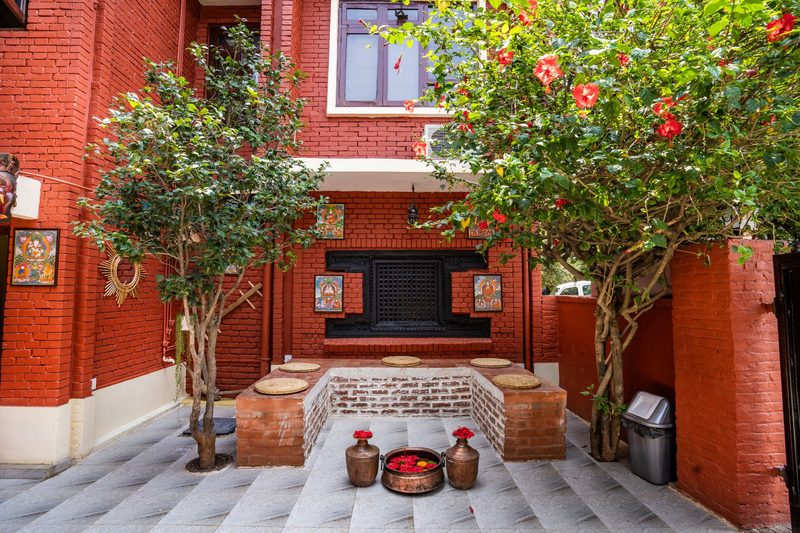

Things to Do in Kathmandu in March
March weather, activities, events & insider tips
Shoulder Season · Good Value
March Weather in Kathmandu
Temperature, rainfall and humidity at a glance
78°F (26°C)
High Temp
47°F (8°C)
Low Temp
1.5 inches (38 mm)
Rainfall
70%
Humidity
Is March Right for You?
Weigh the advantages and considerations before booking
Advantages
- + Clear mountain views. Winter dust and summer haze are gone, so your flight into Kathmandu will likely serve a startlingly crisp panorama of the Langtang range. Days in the city end with snow-capped peaks glowing pink in the sunset. Worth it.
- + The city is waking up. Tourist shops in Thamel re-stock shelves with freshly woven pashminas. Gardens around Patan Durbar Square bloom with rhododendrons. Pre-monsoon crowds have not yet descended. You arrive as Kathmandu stretches after a nap.
- + Perfect trekking temperatures. Trails up to Nagarkot or lower Langtang are dry underfoot. Daytime hiking at 1,500 meters (4,921 ft) feels energizing in a light fleece, not bone-chilling like January or sweat-drenching like May. Pack layers.
- + Festival season begins. Major city-stopping festivals like Dashain come later. Yet March often hosts smaller local celebrations that spill into the streets with less tourist fanfare. You glimpse Kathmandu's rhythm without logistical chaos.
Considerations
- − The temperature swing is a daily event. That 31°F (17°C) gap between day and night is real. You shiver in a jacket at dawn, sweat in a t-shirt by lunch, shiver again by dinner. Dressing in layers becomes a constant, minor chore.
- − Afternoon surprises. The 1.5 inches (38 mm) of rain does not fall gently. It lands in brief, intense afternoon downpours. Unpaved lanes turn to instant mud slicks. You can get caught halfway across the city without a rain shell.
- − Air quality roulette. Conditions beat post-monsoon smog. Yet March can still deliver haze in the bowl of the Kathmandu Valley, if farmers burn fields in the Terai. Mountain views may vanish for a day or two.
Best Activities in March
Top things to do during your visit
Kathmandu in March exhales. The valley sloughs off winter's last chill and trades it for dry, wide-afternoon warmth. Mornings still bite, a reminder of the Himalayan ring around the city. Yet by midday the sun drives you under a banyan for shade. This is the final lull before April's pre-monsoon increase. Skies stay a hard, pale blue and late light slices across brick-red temples and whitewashed stupas with knife-edge clarity. Fewer travellers mean the city unclenches. You will watch shopkeepers sweep pollen from flowering trees off their steps, hear temple bells clang through air not yet thick with humidity, and feel sun on your skin while threading alleys that will soon turn to mud. March is for open windows and long, wandering days. Weather data call it the hinge month. Afternoons can hit twenty-six degrees, nights sink to eight, so layers are non-negotiable. Ten of the thirty-one days spit brief, late showers that rinse dust and make terracotta shine. Carry a light shell. Extended downpours are rare. Humidity hovers at seventy percent, softening the air after winter's dryness. If you want Kathmandu specifics, here they are: the year's first real warmth, nights still demanding a jacket, rainfall more interruption than deterrent.

Everest Base Camp Trek
adventureTrekking from Lukla into the high Himalaya in March means firm winter trails under brilliantly clear skies before late-spring cloud builds. You will hear boots crunch on frozen ground in early shadows, feel altitude sun sear your face, and gaze at the silent Khumbu Icefall from a perch few reach.
This is the premier Himalayan trek, a hard physical test and a front-row seat to Everest in the season known for stable, vivid weather.
Insider tip: First flights into Lukla are calmest. Book the dawn departure from Kathmandu for an on-time start and first pick of Namche lodges.
This month: Daytime trail temps are milder than mid-winter, but nights higher up stay well below freezing. Bring serious cold-weather kit.

Local Women Lead Nepali Cooking Class
foodThis cooking class happens in a family kitchen where cumin and coriander seeds toast, mustard oil spits in a hot karai, and garlic-ginger paste is pounded by hand. You will feel sel-roti dough soften between your fingers and taste timur-pepper achar's bright, tongue-tingling heat.
It is hands-on access to Newari and Nepali home cooking, taught by women who carry generations of know-how.
Insider tip: Arrive hungry and skip breakfast. The session is slow and ends with a full multi-dish lunch you helped cook.

Private Full Day Kathmandu Day Tour | Top 4 UNESCO Heritage Sites
day_tripThis intensive day tour distills Kathmandu's spiritual core, spinning from Boudhanath's murmured mantras and prayer wheels to Pashupatinath's clattering Hindu ghats where sandalwood, marigold and charcoal smoke mingle. You will study monkey carvings on Patan Durbar Square's tiered temple and press cool ancient stone at Swayambhunath's Ashokan stupas.
It covers four essential UNESCO sites that define the valley's religious and artistic heritage, with expert narrative threading their stories.
Insider tip: Wear sturdy slip-ons; you will remove shoes often and walk plenty over uneven brick and stone.

The Most Beautiful 1 Day Experience in Kathmandu Nepal
guided_experienceThis curated outing zeroes in on intimate Kathmandu: steaming momos dipped in sesame sauce from a street cart, the boom of a giant prayer bell in a hidden monastery yard, the rough feel of lokta-bark paper in a back-alley workshop.
It reveals the city's layered character through sensory moments beyond headline monuments.
Insider tip: Ask if your guide has arranged home or workshop visits; a small gift of fruit or biscuits thanks hosts for personal access.

Private tour of Major highlights of Kathmandu top rated places
private_tourA private tour lets you set the pace. Pause while sunlight flares across Kathmandu Durbar Square's golden torana or decode erotic temple struts without a crowd. Your guide can translate Asan Tole traders' shouts and pick out the scent of crushed marigold, incense and drying fish.
Flexibility allows deep dives into architecture, photography or market life, with commentary shaped to you.
Insider tip: Tell your guide up front whether history, religion, photography or shopping tops your list. They will tailor the day's flow.

Kathmandu World Heritage Tour
culturalThis tour examines the valley's architectural genius, explaining Nepal's pagoda style as carved wooden lattices sieve light into temple interiors and recounting the nine-storey Basantapur Tower's past. You will feel the difference between palace courtyard flagstones and the sun-warmed bricks of lesser-known baha and bahi courtyards in Patan.
It gives a scholarly yet readable framework for why Kathmandu's urban fabric earned World Heritage status, spotlighting conservation and craft.
Insider tip: Bring a small torch. Some of the finest wood and metalwork hide in dim sanctums, and a beam reveals detail the shadows swallow.
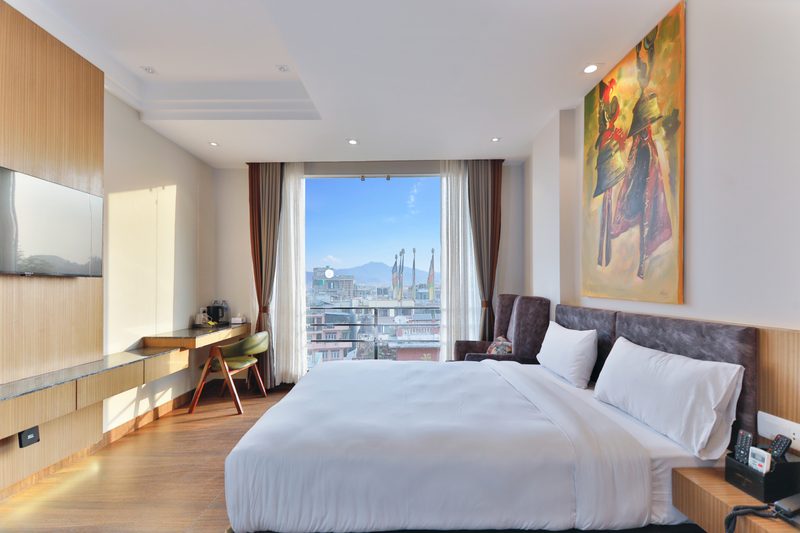
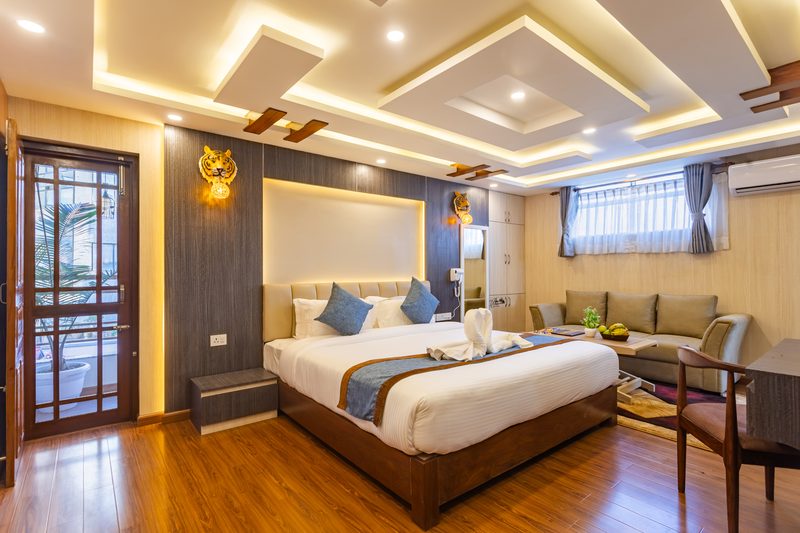
Where to Stay in Kathmandu in March
Hand-picked hotels across price tiers for March travellers.
March Events & Festivals
What's happening during your visit
Late March (date varies by lunar calendar)
Holi (Festival of Colors)
Holi in Kathmandu is less a scheduled event and more a city-wide, chaotic, joyous ambush. By late morning, the streets transform. You'll see groups of young men dancing through a haze of powdered pigment, the smell of the colored dust (a mix of cornstarch and perfume) thick in the air. Buckets of tinted water get flung from rooftops in Thamel with shocking accuracy. Locals and tourists alike become walking canvases of magenta, green, and yellow. The key is to surrender to it. Wear clothes you don't care about, protect your eyes and camera, and join in. The energy peaks around noon and then dissolves into a city-wide, colorful siesta.
Packing Checklist
Bookmark this page — your progress is saved between visits
Need the full list with shopping links?
Climate-specific gear, brand recommendations, and what to leave at home.
View Kathmandu Packing List →Essential Tips
Insider knowledge and common pitfalls to avoid
Insider Knowledge
The best thangka painting workshops aren't in Thamel. Wander the back lanes of Patan, near the Golden Temple, and listen for the soft tap-tap-tap of artists hammering mineral pigments into cloth. Many small family studios will let you watch if you ask politely.
Skip the buffet dinner shows. For authentic Newari food, head to the backstreet courtyards of Boudha after dusk. Look for places lit by bare bulbs where the menu is a chalkboard and the dish to order is bara (lentil patties) with a fiery achar pickle.
If you feel a cold coming on, ask your hotel staff for 'kodo ko rakshi'. It's a warm, fermented millet drink locals swear by, served in a small metal bowl and tastes like smoky, liquid bread. It won't cure you, but you'll stop caring.
Buy your pashmina shawls in the early morning at Asan Tole market, before the tour buses arrive. Watch the merchants unroll bolts of fabric, the fine wool catching the first light. You'll get a better price and see the real wholesale heart of Kathmandu's textile trade.
Avoid These Mistakes
Underestimating the cold at night. That 47°F (8°C) low in the stats feels much colder in stone-walled guesthouses with minimal heating. Don't assume your spring jacket will be enough after sunset.
Trying to do a multi-day trek like the Annapurna Base Camp or Everest Base Camp trek starting in late March. While the days are fine, the nights at higher altitudes are still bitterly cold, and some teahouses on higher passes might still be closed. These are April-May or October-November adventures.
Getting caught in Thamel during Holi without a plan. Either fully commit (wear old clothes, buy powder from a vendor) and join the fray, or plan to be inside a museum or cafe until the early afternoon frenzy dies down. Wandering around trying to stay clean is futile.
Explore More Activities in Kathmandu
Didn't see anything interesting yet?
Browse Viator's full catalog of tours, day trips, food experiences, and private guides in Kathmandu.
See All Kathmandu Tours on Viator