
Things to Do in Kathmandu in February
February weather, activities, events & insider tips
Shoulder Season · Good Value
February Weather in Kathmandu
Temperature, rainfall and humidity at a glance
71°F (22°C)
High Temp
41°F (5°C)
Low Temp
0.9 inches (23 mm)
Rainfall
70%
Humidity
Is February Right for You?
Weigh the advantages and considerations before booking
Advantages
- + February is your best bet for clear, postcard views of the Himalayas from viewpoints like Nagarkot or the Swayambhunath Stupa. The winter haze has settled. Crisp, dry air often gives unobstructed panoramas of the snow-capped peaks ringing the valley.
- + The Kathmandu Valley's walking trails are at their most pleasant. You can spend hours exploring the stone-paved lanes of Bhaktapur's Durbar Square or the dirt paths between the stupas of Boudhanath. No oppressive heat. No monsoon mud. The light is sharp and golden.
- + Crowds are still thin compared to the spring trekking rush. You'll find space to contemplate the eyes of the Buddha at Boudhanath without being jostled. The line for entry to the sacred Pashupatinath Temple complex moves quickly.
- + It's festival season without the overwhelming crush. Major celebrations like Maha Shivaratri fall in February. Joyous energy fills the streets and temples. Tourist densities stay lower than in autumn.
Considerations
- − The temperature swing is dramatic. You'll start the day in a down jacket at 5°C (41°F). Shed layers to a t-shirt by a sunny 22°C (72°F) afternoon. Reach for that jacket again by dusk. Dressing in layers isn't a suggestion; it's survival.
- − Mornings in the valley are often shrouded in thick, cold fog. It doesn't burn off until 9 or 10 AM. This can delay those famous mountain views. Early starts for day trips become a damp, chilly gamble.
- − While drier than other months, you still get about 10 days with some precipitation. These aren't monsoons. Expect brief, cold spits of rain or even the occasional hailstorm. Unpaved paths turn slick in minutes.
Best Activities in February
Top things to do during your visit
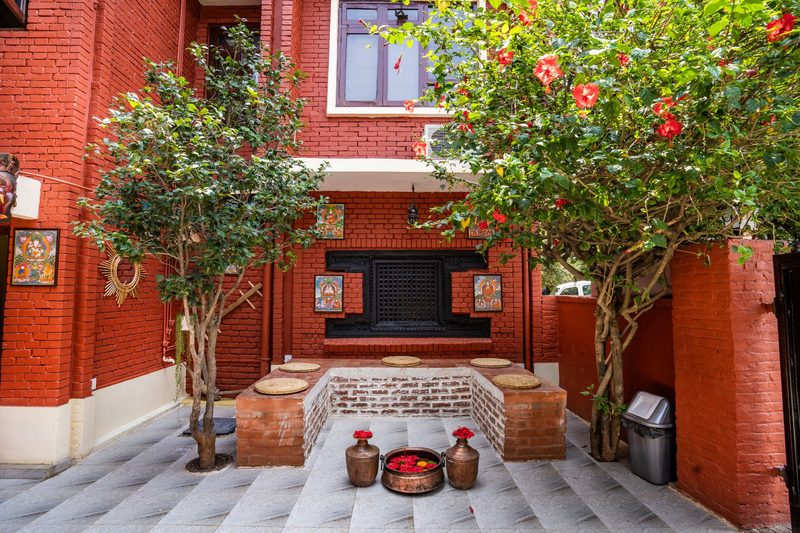
Kathmandu in February is the sweet spot: Himalayan winter loosens its grip. Yet the monsoon is still months away. Mornings bite crisp, by midday the sun presses warm on your skin, and evenings send locals back into wool shawls. Sky over Kathmandu stays a pale, hard blue, cutting against carved-wood temple windows and red-brick courtyards. Dry air traps dust in sunbeams down alleyways. Incense from street shrines mingles with sun-baked clay tiles. February gives travelers mountain views you can set your watch by, and the city hums its everyday soundtrack of bicycle bells and low mantras, no festival crowds to dodge.

Everest Base Camp Trek
adventureThe Everest Base Camp Trek starts with a teeth-rattling flight into thin-aired Lukla. The turboprop engine fades and yak-bell clatter fills the silence. You climb through pine scent, cross bone-white moraines, feel cold air rasp your throat, then stand among prayer-flag rocks at base camp while Everest's wind-sculpted bulk fills every inch of sky.
The only reason to walk this route is to trace the pilgrimage path to the foot of the world's highest mountain, through Sherpa villages and landscapes that make you rethink scale.
Insider tip: Spend at least two nights in Namche Bazaar. Hike bag-free to the Everest View Hotel for your first staggering sight of the peak.
This month: In February the cold is brutal above 5,000 m, base-camp nights drop well below freezing. Yet you gain crystal skies and empty trails before the spring rush.

Local Women Lead Nepali Cooking Class
foodThe Local Women Lead Nepali Cooking Class meets in a Patan home kitchen where mustard seeds and cumin hit hot oil with a snap you feel in your sinuses. You'll knead sel-roti dough, taste tongue-tingling achar pickle, and learn the exact ratio of timur and jimbu that anchors Newari flavor.
Join this class to move beyond eating and to grasp, from women who inherited the knowledge, the spice grammar that gives Nepali food its soul.
Insider tip: Arrive hungry. The session ends with a communal feast of everything you cooked.

Private Full Day Kathmandu Day Tour | Top 4 UNESCO Heritage Sites
day_tripThe Private Full Day Kathmandu Day Tour hits four UNESCO sites in one go: Patan Durbar Square's cobbles and gleaming metalwork, Swayambhunath's monkey-filled pines and butter-lamp haze, Boudhanath's dim stupa interior watched by giant eyes, and Pashupatinath's tiered temple bells over sandalwood and marigolds on the Bagmati.
The tour exists to cram the valley's Hindu-Buddhist heartbeat into a single circuit.
Insider tip: Wear slip-off shoes; you'll step on and off sacred platforms all day.

The Most Beautiful 1 Day Experience in Kathmandu Nepal
guided_experienceThe Most Beautiful 1 Day Experience in Kathmandu Nepal skips the postcard checklist and heads for quiet corners: terraced Shivapuri fields where dry winter grass rustles, or a master thankha painter's studio in Bhaktapur smelling of lapis and malachite dust.
The goal is one sharp memory that engages sight, sound, and touch rather than monuments.
Insider tip: Tell your guide beforehand if you care about photography, pottery, or hiking; they'll tweak the route.

Private tour of Major highlights of Kathmandu top rated places
private_tourA Private Tour of Major Highlights of Kathmandu lets you set the tempo: linger as afternoon light gilds the Kumari Ghar torana in Kathmandu Durbar Square, or sip ginger-laced chiya in a hidden Asan Tole courtyard. You'll feel uneven flagstones through your soles and spot erotic carvings on struts most walkers miss.
Value lies in asking endless questions and chasing a sudden curiosity down a side lane without group vote.
Insider tip: Request a guide steeped in Newari culture or Buddhist philosophy to turn sightseeing into a themed dive.

Kathmandu World Heritage Tour
culturalThe Kathmandu World Heritage Tour strings the valley's ancient sites into a coherent story: echoing Changu Narayan with its fifth-century stone inscriptions, Bhaktapur Durbar Square's bagh-chal players and woodsmoke, and every carved water spout still gushing between temples. You'll see sun-dried bricks stacked like giant dominoes and hear guides link Licchavi kings to Malla craftsmen through surviving wood and stone.
Insider tip: Focus on the dhunge dhara taps. Many are miniature sculpture galleries and still the neighborhood faucet.
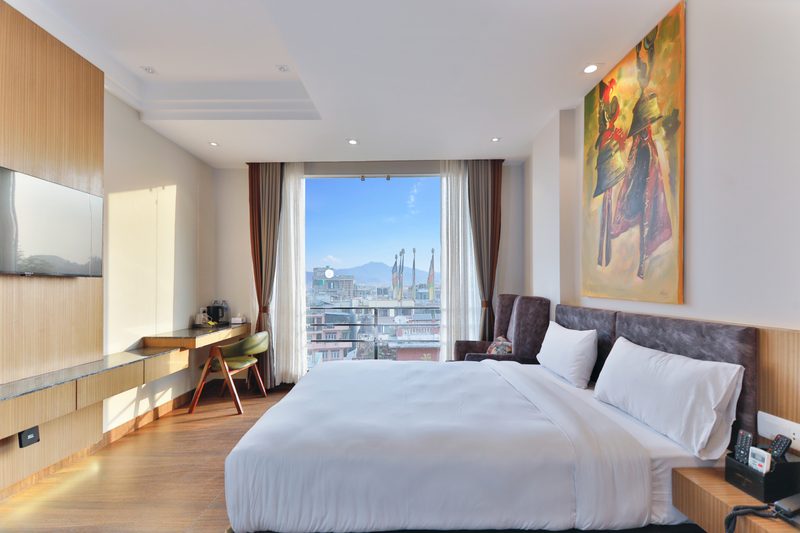
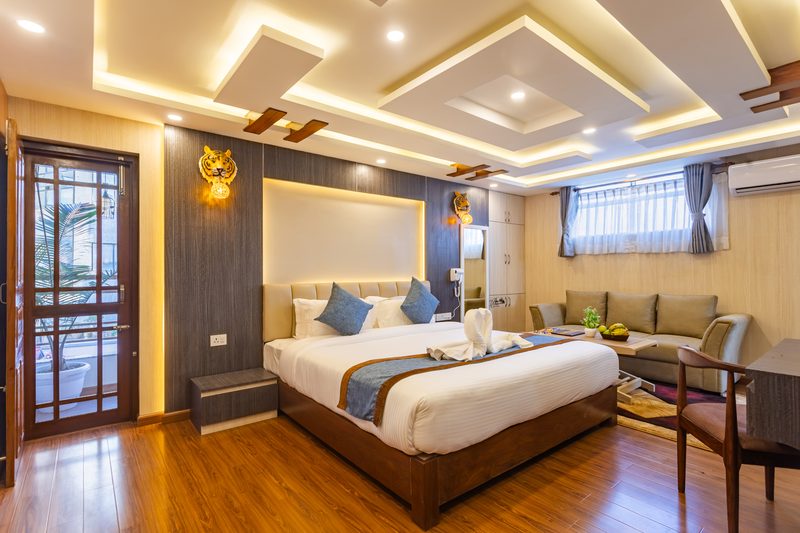
Where to Stay in Kathmandu in February
Hand-picked hotels across price tiers for February travellers.
February Events & Festivals
What's happening during your visit
Late February (date varies by lunar calendar)
Maha Shivaratri
This 'Great Night of Shiva' transforms the Pashupatinath Temple complex into a mesmerizing, otherworldly spectacle. Thousands of sadhus (Hindu ascetics) from across Nepal and India camp on the grounds. Their bodies are smeared with ash, creating a scene of profound devotion and lively chaos. The air is thick with the smell of cannabis (used ritually), ringing bells, and devotional songs that continue through the freezing night. It's less a tourist event and more a total immersion in raw faith.
Varies between late January and early March. Often falls in February
Losar (Tibetan New Year)
Celebrated with particular fervor in the Tibetan enclaves around Boudhanath and Swayambhu, Losar brings a burst of color and sound. Monasteries are alive with the deep blast of long horns (dungchen) and the rhythmic clash of cymbals. Streets are lined with stalls selling sweet, deep-fried pastries (khapsay). Families in their finest chubas (traditional robes) circle the stupa, spinning prayer wheels. The energy is one of joyful renewal.
Packing Checklist
Bookmark this page — your progress is saved between visits
Need the full list with shopping links?
Climate-specific gear, brand recommendations, and what to leave at home.
View Kathmandu Packing List →Essential Tips
Insider knowledge and common pitfalls to avoid
Insider Knowledge
For the clearest mountain views, head to Nagarkot or Dhulikhel for sunrise. But plan to stay for late morning. The valley fog often lingers until 9 AM; the vista typically opens up completely by 10. Patience pays.
The Newari dish of the season is kwati, a thick, hearty soup made from nine types of sprouted beans. It's traditionally eaten to ward off the winter chill. Look for it in local eateries in Patan or Bhaktapur. Slurp proudly.
Skip the packed main plaza of Thamel for evening drinks. Instead, find one of the rooftop bars in the surrounding alleys. You'll pay less for a beer, and the view of tangled wires and temple spires against the evening sky is the real Kathmandu. Go up.
If a late-afternoon rain shower catches you, duck into a chiya (tea) shop. For the price of a sweet, milky tea, you get a plastic stool, shelter, and a front-row seat to local life unfolding in the steamy window. Watch. Sip. Stay dry.
Avoid These Mistakes
Underestimating the cold, at night and at elevation. That light jacket that was good for a 22°C (72°F) afternoon in Kathmandu will be useless on a 5°C (41°F) evening or at a 2,100-meter (6,890-foot) hill station viewpoint. Bring down.
Trying to cram in a high-altitude trek like Everest Base Camp. While lower-elevation treks are fine, February is the coldest month in the high Himalayas. Teahouses are basic, trails can be icy, and the risk of altitude-related illness is higher. Wait.
Forgetting that many museums and smaller cultural sites close early in winter, sometimes by 3 or 4 PM. Always check current hours for the specific day of your visit. Double-check.
Explore More Activities in Kathmandu
Didn't see anything interesting yet?
Browse Viator's full catalog of tours, day trips, food experiences, and private guides in Kathmandu.
See All Kathmandu Tours on Viator