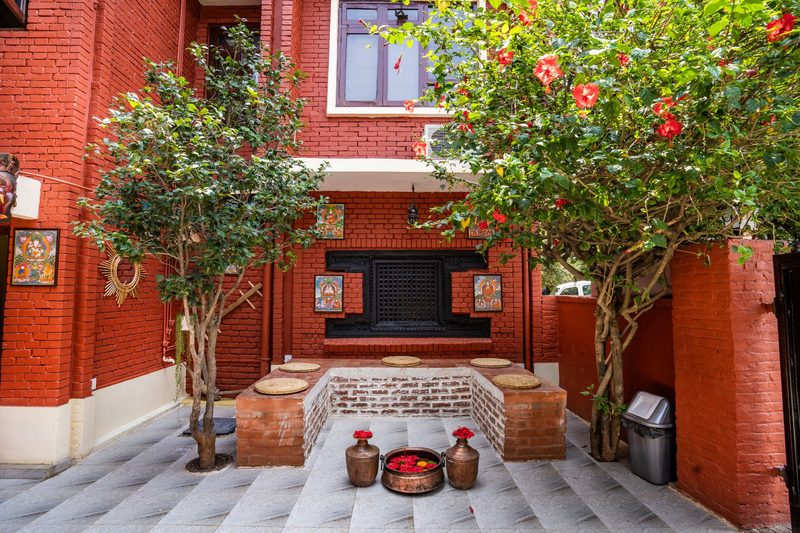

Things to Do in Kathmandu in November
November weather, activities, events & insider tips
Shoulder Season · Good Value
November Weather in Kathmandu
Temperature, rainfall and humidity at a glance
74°F (23°C)
High Temp
47°F (8°C)
Low Temp
0.3 inches (8 mm)
Rainfall
70%
Humidity
⚠ High UV index (8) - sun protection is essential, at altitude.
Is November Right for You?
Weigh the advantages and considerations before booking
Advantages
- + The post-monsoon clarity of November air in Kathmandu Valley is startlingly clear after the summer rains wash away the dust. The Himalayas appear as sharp white cutouts against a cobalt sky, and you can see Everest from Nagarkot on a good morning, a view that's obscured most other months.
- + Pilgrimage season peaks during Tihar, the festival of lights, which usually falls in late October or early November, and the city is still buzzing with the aftermath: marigold garlands drying on temple steps, the lingering scent of camphor and incense, and markets full of special sweets like sel roti and yomari.
- + Perfect trekking weather arrives. The trails to Everest Base Camp and the Annapurna Circuit are dry underfoot, the teahouses are open but not yet packed with peak-season crowds, and daytime temperatures in the 60s°F (15-20°C) mean you can hike in a t-shirt without the bone-chilling cold that sets in by December.
- + Cultural access without the crush is possible. The UNESCO squares of Patan and Bhaktapur are navigable in November. You can hear the chisel-tap of a stone carver in Patan's Durbar Square without it being drowned out by tour groups, and find a quiet corner in the 55-window palace courtyard to feel the sun-warmed brick.
Considerations
- − The temperature swing is a daily negotiation. Mornings in Kathmandu start with a crisp 47°F (8°C) that requires a fleece. But by noon, standing in the sunny courtyard of Swayambhunath (the Monkey Temple), you'll be sweating in that same layer. It makes packing for a single day out feel like preparing for two different countries.
- − That famous clarity comes with a UV punch. The sun at 1,400 meters (4,600 ft) feels deceptively gentle in the dry air. But the UV index hits 8. More than one unprepared visitor has returned from a day exploring Boudhanath Stupa or the Garden of Dreams with a forehead burned the color of a ripe tomato.
- − It's the calm before the high-season storm. Late November sees the first wave of peak-season trekkers passing through Kathmandu, which means flights into Lukla start booking up, and the better guides get snapped up. If you're planning a major trek, dithering on bookings into early December is a gamble.
Best Activities in November
Top things to do during your visit
Kathmandu in November exhales. The monsoon's curtain has lifted, leaving air rinsed, clear. Sunlight, no longer filtered through summer haze, throws sharp shadows across Durbar Square's brick courtyards. The Himalayas, invisible for months, now cut a pale, jagged line across the north. Locals move with renewed ease. No one ducks between downpours. Life settles back onto sun-warmed temple steps and the dry, dusty lanes of the old bazaars. This clarity defines November. Expect only a handful of rainy days. The city stays tactile, present. Daytime warmth clings like baked clay. After dusk a swift chill carries charcoal scent and demands a light jacket. Plans rarely wash away. Marigold offerings, crimson tikka powder, and aged dark timber glow under brilliant, cloudless light. No major festivals intrude, so Kathmandu keeps a quotidian pace, good for watching its lasting rhythms.

Everest Base Camp Trek
adventureThe Everest Base Camp Trek starts with a thrilling flight into Lukla's thin air. You will walk among icefalls, hear avalanches rumble across the valley, and feel the silence of high-altitude monasteries. The goal is the foot of the world's highest mountain, a landscape of rock, ice, and wind.
It delivers slow, profound engagement with Sherpa life and the raw high Himalaya.
Insider tip: Acclimatization days are mandatory. Use them to explore side trails to the turquoise Gokyo Lakes for quieter vistas.
This month: November gives the clearest skies and most stable conditions of the year, with minimal precipitation and crisp, cold air that yields staggering mountain visibility.

Local Women Lead Nepali Cooking Class
foodThe Local Women Lead Nepali Cooking Class develops in a home kitchen. Cumin and coriander seeds toast; ginger's sharp tang fills the air. You will feel sticky momo dough and hear the sizzle as dumplings hit the steamer. This is shared ritual, not formal lesson, supporting female entrepreneurs.
It connects you to Newari and Nepali home cooking through the hands that know it best.
Insider tip: Arrive hungry. The class ends with a full shared meal of everything you prepared, far more than a tasting.

Private Full Day Kathmandu Day Tour | Top 4 UNESCO Heritage Sites
day_tripThe Private Full Day Kathmandu Day Tour covers four UNESCO Heritage Sites. You will see the Buddha's all-seeing eyes at Boudhanath, smell marigolds and butter lamps at Pashupatinath, feel intricate wood carvings at Patan Durbar Square, and hear bells at Swayambhunath. The guide links these sites into one narrative of faith and artistry.
It efficiently contextualizes the valley's dense spiritual and architectural history in a single day.
Insider tip: At Swayambhunath, take the western staircase. Fewer monkeys, gentler climb.
This month: November's dry, cool weather makes the extensive walking pleasant, without spring heat or monsoon mud.

The Most Beautiful 1 Day Experience in Kathmandu Nepal
guided_experienceThe Most Beautiful 1 Day Experience in Kathmandu Nepal swaps city din for valley-rim silence. You might feel cool mist from a Shivapuri waterfall, taste wild strawberries on a hillside trail, or see the entire basin laid out like a map from a hilltop café. The contrast highlights nature that cradles urban energy.
It reveals the tranquil, green landscapes that surround and feed the cultural core.
Insider tip: Wear sturdy shoes with good grip; November paths are dry and dusty, gravel loose.

Private tour of Major highlights of Kathmandu top rated places
private_tourA Private Tour of the Major Highlights of Kathmandu Top Rated Places tailors the day to your curiosity. Your guide might let you feel cold stone at Budhanilkantha's sleeping Vishnu, hear metalworkers clang in Asan Tole's backstreets, or sip sweet, milky chiya from a tiny stall. Pace and focus are yours.
It grants personalized access to both famous sites and living traditions that give Kathmandu texture.
Insider tip: Tell your guide your interests up front, architecture, street photography, ritual, so they can adjust the route on the fly.

Kathmandu World Heritage Tour
culturalThe Kathmandu World Heritage Tour concentrates on architectural genius inside the ancient cores. You will see sunlight filter through Patan's peacock window, feel uneven centuries-old bricks in Bhaktapur Durbar Square, and hear how sound changes between Buddhist and Hindu courtyards. This tour is for craftsmanship buffs.
It offers an academic yet sensory exploration of Newari wood, metal, and stone work that shapes the valley's look.
Insider tip: In Bhaktapur, skip main-square cafes. Find a rooftop on a back lane for lunch. The square view stays the same. Thangka painters below provide a quiet show.
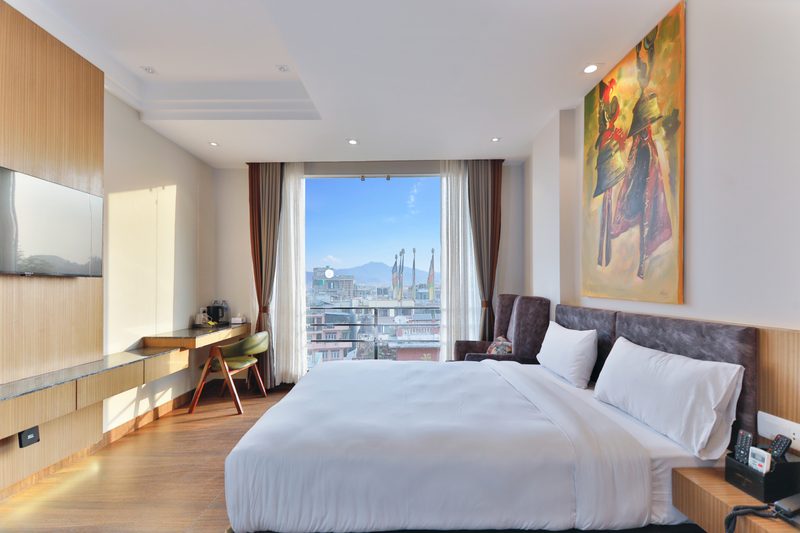
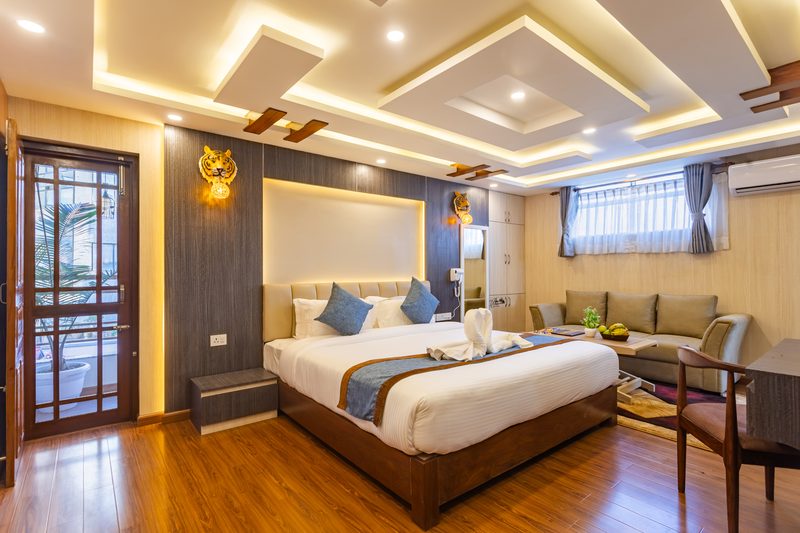
Where to Stay in Kathmandu in November
Hand-picked hotels across price tiers for November travellers.
November Events & Festivals
What's happening during your visit
Early November (dates vary by lunar calendar)
Tihar (Deepawali)
The five-day Festival of Lights usually ends in early November. The main days of crow, dog, cow, and ox worship have passed. Yet the final day, Bhai Tika honoring brothers, often lands inside the month. Oil lamps called diyas and intricate rangoli made of colored powder still decorate doorsteps. Entire neighborhoods flicker with candlelight at night. Marigolds and burnt sugar offerings scent the air.
Packing Checklist
Bookmark this page — your progress is saved between visits
Need the full list with shopping links?
Climate-specific gear, brand recommendations, and what to leave at home.
View Kathmandu Packing List →Essential Tips
Insider knowledge and common pitfalls to avoid
Insider Knowledge
Be at Swayambhunath at dusk. The monkeys settle. The tour buses vanish. Priests perform evening aarti, lighting lamps and ringing bells that echo across the hushed valley. Entry is free, and the moment feels ten times stronger than the daytime crush.
Ignore the taxi queue at the airport. Pre-arrange a pickup through your hotel or a trusted service. The touts at Tribhuvan Airport are famously pushy, and haggling over fares while jet-lagged is a lousy welcome.
Buy trekking permits in the city, not in the trekking hubs. The Nepal Tourism Board office in Kathmandu moves fast. Securing your TIMS and National Park permits there saves hours of waiting in Pokhara or Lukla where the net might be down.
For crisp mountain views, head to Nagarkot or Dhulikhel for sunrise. But linger until late afternoon. Morning can be hazy. Sunset often strips the sky clean, revealing distant peaks in drama that day-trippers miss.
Avoid These Mistakes
Do not mock the 47°F (8°C) night low. Stone hotels offer little heat. Ask for a hot water bottle or extra blankets. A lightweight travel bag will not cut it.
Do not cram too much into one day. Kathmandu's traffic is infamous. Five kilometers can devour forty-five minutes. Plan one major area daily, Patan, Bhaktapur, or the Boudha/Pashupatinath complex, and explore it on foot.
Avoid changing large sums at the airport. The rate is poor. Change a small amount for the taxi, then hit ATMs in Thamel or trusted money changers for better deals.
Explore More Activities in Kathmandu
Didn't see anything interesting yet?
Browse Viator's full catalog of tours, day trips, food experiences, and private guides in Kathmandu.
See All Kathmandu Tours on Viator