
Things to Do in Kathmandu in May
May weather, activities, events & insider tips
Shoulder Season · Good Value
May Weather in Kathmandu
Temperature, rainfall and humidity at a glance
84°F (29°C)
High Temp
60°F (16°C)
Low Temp
5.1 inches (130 mm)
Rainfall
70%
Humidity
⚠ Increasing risk of afternoon and evening thunderstorms, which can cause localized flooding, power outages, and traffic disruptions in Kathmandu.
⚠ Reduced visibility and higher likelihood of flight cancellations/delays for domestic mountain flights (e.g., to Lukla, Pokhara) as the month progresses.
Is May Right for You?
Weigh the advantages and considerations before booking
Advantages
- + May sharpens the Himalayas. Pre-monsoon clarity lifts the haze and Everest's summit, 200 km (124 miles) away, looks laser-cut against cobalt. This is the final window for postcard peaks before summer clouds roll in. Snap now.
- + Kathmandu's UNESCO squares, Patan, Bhaktapur, Kathmandu Durbar, feel breathable again. April's busloads have thinned. Monsoon deluges haven't started their temple-hop chase. You can count the 55 windows in Bhaktapur without elbows in your ribs.
- + The air smells of first rain on dry earth, plus winter's leftover woodsmoke. Afternoon bursts arrive dramatic yet brief, rinsing dust from Thamel's marigolds. Freshness lasts an hour, then the cycle reloads.
- + Lower-hill trekking hits its sweet spot. Trails to Nagarkot or Dhulikhel, around 2,100 m (6,890 ft), stay lush, rhododendrons still flare red, and leeches haven't marched uphill yet. Big-mountain feel, small-mountain logistics.
Considerations
- − Humidity climbs toward 70%. A stroll from Freak Street to the Garden of Dreams turns into a sweat-drenched mini-expedition. Clothes glue themselves to skin before you mount a single temple step.
- − Thunderstorms punch in around 3 or 4 PM with no polite warning. Bargaining for a singing bowl in Asan Tole can end with you sheltering under a tarp while the alley becomes a river. Plan loose, gamble smart.
- − High trails to Everest or Annapurna Base Camp remain open. Yet Lukla and Pokhara flights wobble. Clouds stack by late morning. Cancellations sprout like weeds. Tight itineraries bleed stress here.
Best Activities in May
Top things to do during your visit
Kathmandu in May is a city holding its breath. The air thickens, sticky with pre-monsoon humidity, and afternoon light turns bruised as clouds pile above the valley rim. Locals hurry through last-minute repairs, chasing the last dust-free lanes before the streets dissolve into mud. You won't get the razor-sharp Himalayan views of October; instead, the bricks of the old city darken, wet earth and night jasmine drifting from courtyards after a sudden shower. Cafe awnings fill fast when thunder ricochets across Durbar Square's pagoda roofs. Life syncs to these quick, hard bursts of rain. No big festivals this month, so the city turns inward. Listen and you'll catch monastery chanting between showers, or notice moisture beading on a temple strut's erotic carving. The high peaks stay hidden. Yet the lower hills blaze an almost violent green. Families picnic on Swayambhunath's breezy hill after the storms pass. Travel now demands a loose schedule. The reward is Kathmandu stripped of its tourist varnish, raw and immediate.

Everest Base Camp Trek
adventureStarts with a stomach-dropping flight to Lukla, then climbs through rhododendron forests and Sherpa villages toward the Khumbu's blue ice towers.
Twelve to fourteen days of gravel crunch, yak-bell clang, and juniper-scented teahouses end on a wind-scoured moraine staring up at the Icefall. You earn every footfall, sharing the trail with porters who call the mountain Chomolungma.
Insider tip: Break in your boots before arrival; May's damp can turn new leather into blister factories.
This month: But afternoon cloud often erases the summit view.

Local Women Lead Nepali Cooking Class
foodDrops you into a Newari kitchen where turmeric and cumin hiss in hot oil.
Under the women's calm eyes you'll pleat momos, balance achar's fermented bite, and stir dal until the scent climbs the walls.
Insider tip: Late-morning classes start with a market run for fresh produce.
This month: If a May shower drums on the tin roof, the steam from dough and spices turns the room into the coziest refuge in Kathmandu.

Private Full Day Kathmandu Day Tour | Top 4 UNESCO Heritage Sites
day_tripStrings together four excellent monuments without wasting a minute.
Dawn at Swayambhunath means prayer chants and a haze-free city vista. From there you circle Boudhanath's whitewashed stupa, rub the worn plinths of Patan's stone temples, and finish among the pigeons of Hanuman Dhoka.
This month: May heat can wilt, so carry water and adopt a slower stride after lunch.

The Most Beautiful 1 Day Experience in Kathmandu Nepal
guided_experienceStitches quiet corners most visitors miss.
You might watch butter lamps flutter in a hidden shrine at dawn, then share sel roti and black tea in a family kitchen while the host explains last month's neighborhood festival.
Insider tip: Expect to remove your shoes often.

Private tour of Major highlights of Kathmandu top rated places
private_tourLets you set the tempo.
Linger at the Kumari's gilded balcony, dive into Asan Tole's spice chaos, or skip the crowds altogether.
Insider tip: Your guide tracks marigold offerings, dried-fish piles, and the best spot for fresh jalebis.
This month: Discuss the route beforehand.

Kathmandu World Heritage Tour
culturalA look at into pagoda DNA.
You'll trace the form from Pashupatinath's towering roofs to Patan's bronze finery, ears full of temple bells and riverbank drums. Cross the Bagmati for a calmer view of cremation ghats and saffron-robed sadhus.
This month: May humidity amplifies sandalwood and wood-smoke around the pyres, part of the living-museum experience.
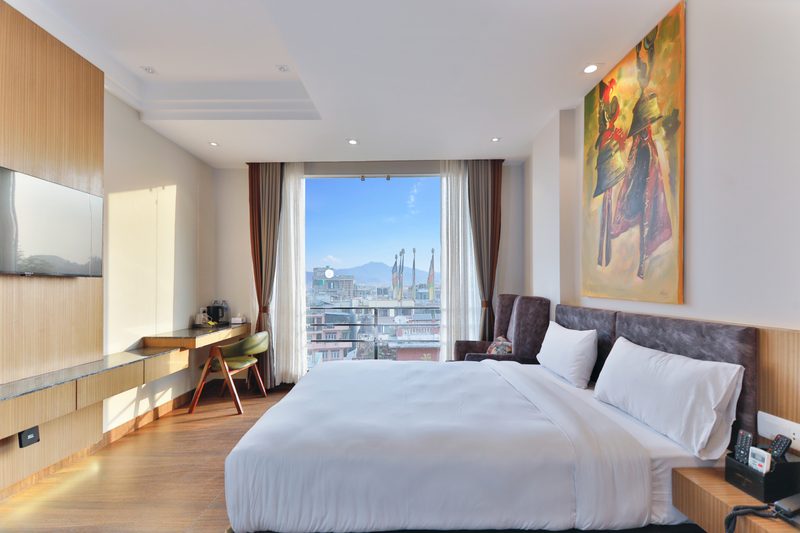
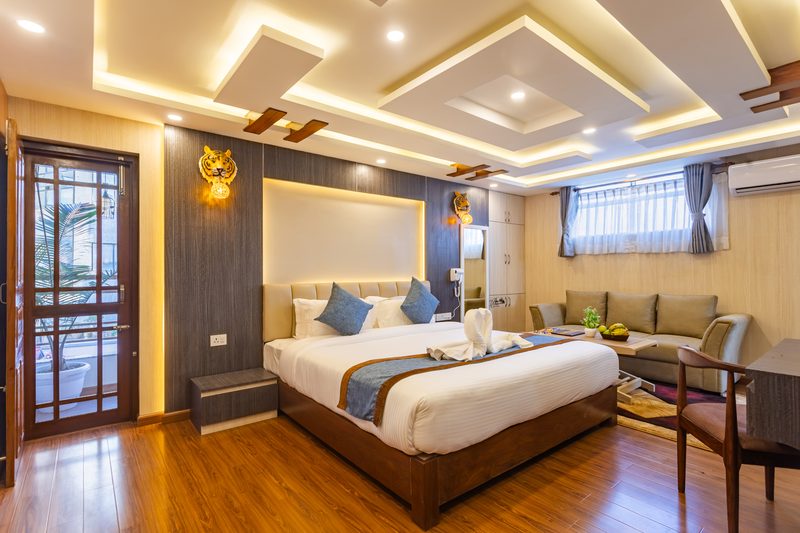
Where to Stay in Kathmandu in May
Hand-picked hotels across price tiers for May travellers.
May Events & Festivals
What's happening during your visit
Late May (Full Moon Day)
Buddha Jayanti
This celebration of Buddha's birth, enlightenment, and parinirvana falls on the full moon day, which typically occurs in May. Kathmandu transforms, but quietly. At Swayambhunath (the Monkey Temple), the stupa is wrapped in thousands of butter lamps, their flickering light and smoky scent filling the evening. At Boudhanath, pilgrims circumambulate all night. It's less a tourist spectacle and more a felt religious observance. Powerful to witness if you move respectfully.
Packing Checklist
Bookmark this page — your progress is saved between visits
Need the full list with shopping links?
Climate-specific gear, brand recommendations, and what to leave at home.
View Kathmandu Packing List →Essential Tips
Insider knowledge and common pitfalls to avoid
Insider Knowledge
The best time for clear mountain views from places like Nagarkot is right after a heavy afternoon rain. The showers scrub the atmosphere clean. If you get a late-day downpour, consider hiring a car for a very early morning trip the next day. You might get the clearest vistas of your trip.
Skip the packed restaurants in Thamel for lunch. Instead, find a local 'bhatti' in the backstreets of Patan or near Boudha. You'll get a massive, delicious thali set (rice, lentils, vegetables, pickle) for a fraction of the cost, eaten surrounded by locals. Look for the big pots out front.
If your flight to Lukla or Pokhara gets cancelled, don't waste a day at the airport. Tribhuvan Airport chaos is a known sport. Have a Plan B ready: a taxi to Patan Museum, a cooking class booking, or a massage at one of the reputable places in Lazimpat. Accept the delay and reclaim the day.
Buy your souvenirs - thangkas, papier-mâché masks, khukuri knives - in Bhaktapur's backstreet workshops, not in Thamel. The prices are lower, the quality is often higher, and you can watch artisans at work in the damp, clay-scented air of their open studios.
Avoid These Mistakes
Not checking the daily weather forecast and locking in a rigid, hour-by-hour schedule. May in Kathmandu demands flexibility. Plan activities in blocks: outdoors in the morning, indoor/cultural for the afternoon when rain is likely.
Underestimating the traffic. Pre-monsoon road repairs and sudden showers snarl Kathmandu's already legendary jams. What looks like a 3 km (1.9 mile) distance on a map can take 45 minutes. Always add a huge buffer for transit.
Packing only summer clothes. Evenings and early mornings at 1,400 m (4,600 ft) have a real chill, after the rain. That lightweight fleece or shawl you brought will be worn every day.
Explore More Activities in Kathmandu
Didn't see anything interesting yet?
Browse Viator's full catalog of tours, day trips, food experiences, and private guides in Kathmandu.
See All Kathmandu Tours on Viator