
Things to Do in Kathmandu in June
June weather, activities, events & insider tips
Low Season · Budget Friendly
June Weather in Kathmandu
Temperature, rainfall and humidity at a glance
85°F (29°C)
High Temp
66°F (19°C)
Low Temp
9.5 inches (241 mm)
Rainfall
70%
Humidity
⚠ Monsoon rains cause frequent landslides on mountain roads outside Kathmandu. Day trips to destinations like Dhulikhel or Nagarkot require checking road conditions morning of travel.
⚠ Lightning risk increases significantly in afternoons. Avoid open areas like Swayambhunath's hilltop during thunderstorms. Seek shelter.
Is June Right for You?
Weigh the advantages and considerations before booking
Advantages
- + Kathmandu's monsoon air scrubs the valley clean. Views of the surrounding hills from Swayambhunath's stupa are startlingly sharp after a morning rain. The clarity you won't see in the dusty pre-monsoon haze.
- + Hotel rates drop noticeably from spring trekking season peaks. You'll find last-minute availability at heritage properties in Patan's Durbar Square area that require bookings months ahead in October.
- + The valley's rice paddies turn an almost fluorescent green. Landscapes around Kirtipur and Bhaktapur that photographers wait all year for. The contrast between terracotta temple bricks and emerald fields is extraordinary.
- + Morning hours before the afternoon clouds gather are golden.. The light hitting the gilded roofs of Hanuman Dhoka Palace at 7 AM has a particular liquid quality that vanishes by noon.
Considerations
- − Afternoon downpours typically roll in around 2 PM and can last hours. Turning Kathmandu's already chaotic streets into rivers of brown water and stranded motorcycles. Plan indoor activities for after lunch.
- − Flight cancellations to Lukla and other mountain airstrips happen frequently enough. Attempting an Everest Base Camp trek in June becomes a gamble with your itinerary and budget.
- − The humidity at 70% makes Kathmandu feel stickier than the temperature suggests. That 29°C (85°F) high feels more like 35°C (95°F) when you're navigating the narrow lanes of Asan Tole market.
Best Activities in June
Top things to do during your visit
Kathmandu in June hits you with scent and sound cranked up by the monsoon. The air thickens, carrying damp-earth smells that slice through dust, while afternoon light turns heavy, luminous before clouds roll in. Locals move at a measured pace, ducking sudden downpours under umbrella canopies and temple overhangs, their rhythms synced to weather's swing. This month delivers the year's highest rainfall so far. Brief, intense showers leave ancient courtyard bricks glistening and fill stone spouts at dhunge dhara. Forget guaranteed Himalayan views. June is for Kathmandu's interior worlds: chants echoing through rain-darkened monasteries, steam curling from clay dal bhat pots, cool carved wooden struts under pagoda eaves. Climate data jumps from May's 5.1 inches to June's 9.5 inches of rain. You feel it in saturated air, hear it in steady drips from intricately carved rooflines.

Everest Base Camp Trek
adventureReaching the foot of the world's highest mountain means swaying suspension bridges over milky blue rivers and rhododendron forests still beaded with morning mist. You'll feel thin, cool air at high camp, see prayer flags snapping against an immense sky. The trek turns a distant peak into tangible rocky moraine under your boots.
It is a pilgrimage on foot to Mount Everest's foundation, an achievement measured by personal endurance and stark, monumental landscape.
Insider tip: Pack quality waterproof layers and bag covers. Afternoon showers in lower valleys are frequent, trails slick.
This month: Trails are less crowded. Yet periodic rain and cloud can obscure the well-known mountain views that define this trek.

Local Women Lead Nepali Cooking Class
foodLearn to build Newari and Nepali flavors in a local home. Toasted cumin and fenugreek hit you the moment you step inside. You'll feel sticky momo dough and hear mustard oil sizzling in a karai while swapping stories with women who cook from family memory.
This class links cooking directly to Kathmandu's home-kitchen keepers, offering depth no restaurant can match.
Insider tip: Come hungry. Ask for aachar, the homemade pickles. Each family's recipe is a guarded secret with a distinct tangy or fiery kick.

Private Full Day Kathmandu Day Tour | Top 4 UNESCO Heritage Sites
day_tripThis tour distills Kathmandu's spiritual core into one day, from Swayambhunath's serene Buddha gaze to pigeon chaos at Kathmandu Durbar Square. You'll smell marigolds, incense, and stone at Pashupatinath, feel sun-warmed brick at Patan's palaces.
It efficiently frames the architectural and sacred variety that earned Kathmandu UNESCO status, moving from Hindu cremation ghats to Buddhist stupas with expert context.
Insider tip: At Boudhanath, walk the kora clockwise with locals, listening to mantra murmurs and handheld prayer-wheel whirs.
This month: Carry a compact umbrella. The tour proceeds rain or shine, and brief shelter under a temple roof can become part of the experience.

The Most Beautiful 1 Day Experience in Kathmandu Nepal
guided_experienceThis curated walk threads through old Kathmandu's narrow, unpaved lanes. Fingers brush centuries-old brick, courtyards hide behind unassuming doors. Sweet, milky chiya from a street vendor offers pause; a craftsman tapping metal in Asan Tole keeps the rhythm.
It reveals the layered, intimate details of daily life that most visitors rush past en route to major monuments.
Insider tip: Wear slip-off shoes. The best discoveries often lie inside small, family-run temples or traditional bahal courtyards.

Private tour of Major highlights of Kathmandu top rated places
private_tourA private vehicle lets curiosity steer. Linger at Kwa Bahal to watch turtles scramble over offering coins, or explore three royal squares at your pace. You control the soundtrack, swapping city noise for your guide's focused commentary inside quiet car or rickshaw.
Flexibility to dive deep into one site or craft a panoramic overview makes this tour responsive to your real-time interests.
Insider tip: Ask for a stop at the natural history museum or the garden of dreams for quiet contrast to historic squares.
This month: Climate-controlled comfort offers welcome respite during June's occasional heavy rainfall and high humidity.

Kathmandu World Heritage Tour
culturalThis tour supplies the historical narrative behind sacred geometry. Learn the symbolism in Patan Durbar Square's toranas and Bhaktapur's tiered roofs. Feel cool, smooth shivalinga stone, hear the difference between Changu Narayan's bell and Boudhanath's larger gong.
It links disparate sites into a coherent story of dynastic patronage, religious syncretism, and artistic evolution that shaped the Kathmandu Valley.
Insider tip: Study the woodcarvings on temple struts. Guides often know the myths in each erotic or divine scene.
This month: Rain-washed air makes deep red brick, painted wood, and gilt metalwork appear vivid and saturated.
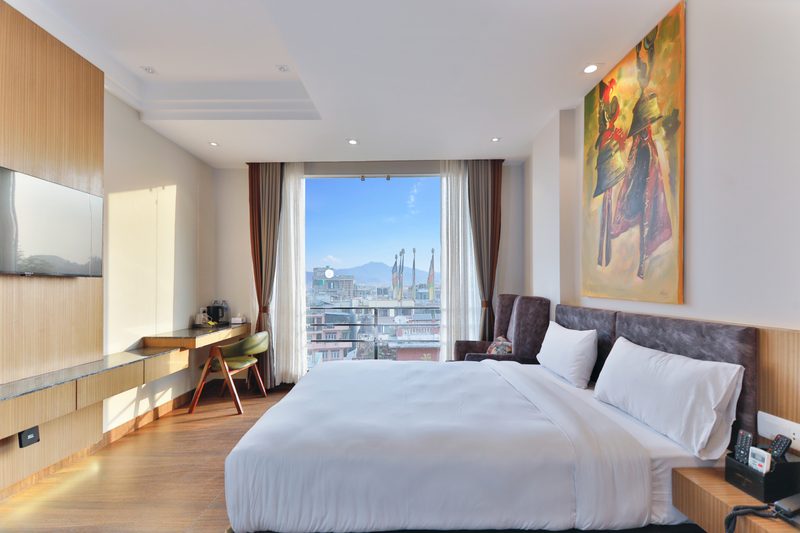
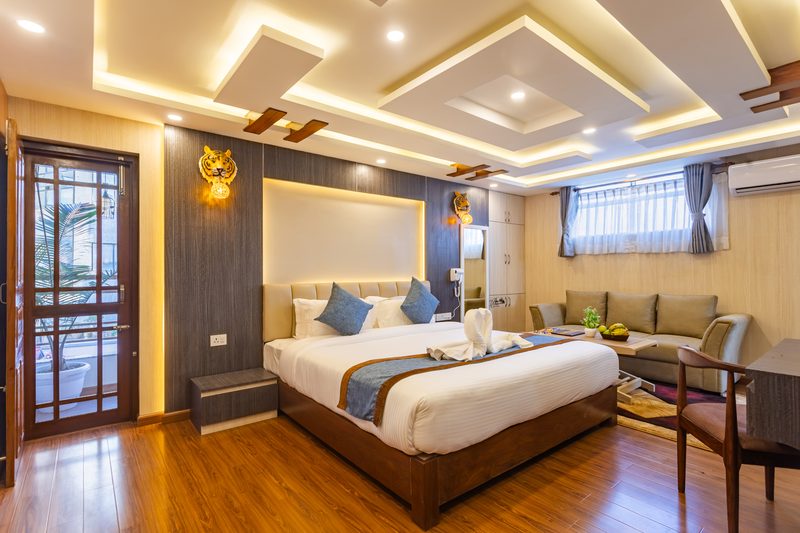
Where to Stay in Kathmandu in June
Hand-picked hotels across price tiers for June travellers.
June Events & Festivals
What's happening during your visit
Late June
Rato Machindranath Jatra
If your visit coincides with this event (dates vary by lunar calendar but often fall in June), you're witnessing Kathmandu's most important rain-bringing festival. A 60-foot wooden chariot carrying the deity Machindranath lurches through Patan's streets for weeks, pulled by hundreds of devotees chanting for monsoon rains. The air fills with the smell of crushed marigolds, sweat, and diesel from the generators powering temporary shrines. It's chaotic, overwhelming, and profoundly local. Most tourists never see it because timing is unpredictable.
Packing Checklist
Bookmark this page — your progress is saved between visits
Need the full list with shopping links?
Climate-specific gear, brand recommendations, and what to leave at home.
View Kathmandu Packing List →Essential Tips
Insider knowledge and common pitfalls to avoid
Insider Knowledge
Locals drink hot ginger-lemon tea year-round. In June they add turmeric. It's believed to boost immunity during monsoon. Ask for 'ada ko chiya' at any tea stall in Indra Chowk.
The best time to visit Boudhanath Stupa is right after a rainstorm clears. The marble platform reflects the white dome well. The circumambulating crowd thins to just devout locals.
Kathmandu's street food changes seasonally. Look for 'bara' (lentil pancakes) being fried under tarps during rains. They're heartier than momos and perfect damp-weather food.
If your flight to Lukla gets canceled (common in June), don't waste a day at the airport. Helicopter tours to Everest viewing points still operate in clearer weather windows. They can be booked last-minute through licensed operators.
Avoid These Mistakes
Attempting multi-day treks without flexible itineraries. Monsoon landslides regularly block trails around Kathmandu valley. Build buffer days.
Booking non-refundable accommodations in Thamel. Last-minute deals appear as tourist numbers drop. You might find better value elsewhere.
Assuming indoor attractions will be crowded escapes. Most tourists still try to power through rain. Museums like the Patan Museum stay surprisingly empty.
Explore More Activities in Kathmandu
Didn't see anything interesting yet?
Browse Viator's full catalog of tours, day trips, food experiences, and private guides in Kathmandu.
See All Kathmandu Tours on Viator