
Things to Do in Kathmandu in July
July weather, activities, events & insider tips
Low Season · Budget Friendly
July Weather in Kathmandu
Temperature, rainfall and humidity at a glance
83°F (28°C)
High Temp
68°F (20°C)
Low Temp
15.1 inches (384 mm)
Rainfall
70%
Humidity
⚠ Landslide risk increases on mountain roads outside the valley. Avoid long-distance road travel during heavy rain periods. Stay put.
⚠ Domestic flight cancellations are frequent and unpredictable. Never book a same-day international connection after a domestic flight in July. Never.
Is July Right for You?
Weigh the advantages and considerations before booking
Advantages
- + Kathmandu's monsoon air strips the valley of its winter haze. The sharp white peaks of the Langtang range emerge to the north with a clarity you only get after rain. Stop walking mid-step. That view demands it.
- + The Patan Museum courtyard, normally baking under direct sun, becomes a cool refuge. You can hear individual raindrops hitting the ancient brickwork. Then the afternoon deluge begins.
- + Hotel rates drop significantly compared to the spring trekking season. You can afford a heritage property in the old city. That same room would be a splurge any other time of year.
- + Local markets overflow with monsoon bounty. Taste the sour-sweet punch of fresh lychees from the Terai. Smell the earthy just-dug ginger. Find fat monsoon mushrooms in every thukpa soup.
Considerations
- − The 384 mm (15.1 inches) of rain doesn't fall gently. Afternoon storms arrive with thunder that echoes off the valley walls. Unpaved lanes in Bhaktapur's Durbar Square turn to mud slicks within minutes.
- − Domestic flights to Lukla and Pokhara get canceled with frustrating regularity. Travelers sometimes strand for days. If you're trying to connect to a trek, July is a gamble.
- − Humidity at 70% makes dust in Kathmandu's older neighborhoods stick to your skin in a gritty paste. The constant damp brings out the city's less romantic smells from ancient drainage systems.
Best Activities in July
Top things to do during your visit
July is monsoon season. In Kathmandu, that reshapes everything. Warm rain sweeps across the valley in dramatic afternoon curtains, hammering the corrugated rooftops of Asan Tole and turning the brick courtyards of Patan into shallow reflecting pools. Mornings often break clear. The Himalayan foothills rinse to a sharp green you never see in the dry season, and the air carries the mineral smell of wet laterite mixed with incense smoke drifting from neighborhood shrines. Temperatures hover near 28 degrees Celsius during the day and cool to a comfortable 20 at night. Walking the old city is pleasant before the clouds stack up around noon. The cultural calendar deepens the atmosphere. Early July brings Guru Purnima, the full-moon observance honoring spiritual teachers, when students thread marigold garlands and carry sweets to monasteries and temples across the valley. At Swayambhunath, monks chant through the wet morning while ghee lamps gutter against the stone steps. It is not a performance. It is a living practice you can observe quietly. Beyond the festival, July is when Kathmandu feels most like itself rather than a stage set for visitors. Tourist crowds thin dramatically. The great durbar squares and temple complexes revert to neighborhood life: teenagers sheltering from a downpour under the eaves of Kasthamandap, vegetable sellers spreading tarps over their baskets of bitter gourd and green chili, potters in Bhaktapur stacking unfired clay pots under awnings and watching the sky. You trade panoramic Himalayan views for an intimate, rain-softened city that rewards slow attention.

Everest Base Camp Trek
adventureThe Everest Base Camp Trek reorganizes your sense of scale. Over roughly twelve days, you ascend through rhododendron forest, cross swaying suspension bridges above the Dudh Koshi river, and sleep in stone-walled teahouses where the smell of dal bhat and wood smoke saturates your sleeping bag. The trail threads through Sherpa villages like Namche Bazaar and Dingboche before delivering you to the glacial moraine at 5,364 meters, where prayer flags snap in the thin wind and Khumbu Icefall groans audibly in the cold silence above.
Walking to the foot of the highest point on Earth through living Sherpa communities is an experience no helicopter ride or documentary can replicate.
Insider tip: Spend two full nights in Namche Bazaar for acclimatization rather than pushing ahead on schedule, and use the rest day to hike up to the Everest View Hotel overlook, where the entire Khumbu panorama opens up without the altitude penalty of higher camps.
This month: July falls deep in the monsoon, bringing heavy cloud cover, leeches on the lower trail sections, and significantly reduced Himalayan visibility above Namche Bazaar. Flights to Lukla face frequent weather cancellations. Most trekkers choose the pre-monsoon or post-monsoon windows instead.

Local Women Lead Nepali Cooking Class
foodLed by Kathmandu women in their own kitchens, this cooking class strips Nepali cuisine down to its aromatic skeleton. You pound timur peppercorns in a stone mortar until the numbing, citrusy scent rises, roll out momo dough until it goes translucent, and learn the slow bloom of fenugreek and jimbu in hot mustard oil that gives dal its distinctive Kathmandu valley character. The meal you sit down to afterward, cross-legged on woven mats, tastes different from restaurant versions because you understand every layer.
Cooking alongside local women in a home kitchen, not a commercial studio, connects you to Kathmandu domestic life in a way no restaurant meal can.
Insider tip: Ask your host to walk you through the spice box before you start cooking. Understanding the difference between timur and black pepper, and between jimbu and standard dried herbs, transforms how you eat for the rest of your trip.
This month: July monsoon rains make an indoor cooking class a smart use of a rainy afternoon when outdoor sightseeing gets washed out.

Private Full Day Kathmandu Day Tour | Top 4 UNESCO Heritage Sites
day_tripThis full-day private tour stitches together four of Kathmandu's UNESCO World Heritage Sites into a single coherent arc through the valley's layered history. You move from the medieval woodcarving of Kathmandu Durbar Square to the enormous white dome and painted eyes of Boudhanath Stupa, then to the cremation ghats and lingam shrines of Pashupatinath before climbing the worn stone steps of Swayambhunath, where rhesus macaques pick through offerings and the valley spreads below in a haze of green and brick. A private guide shapes the connections between Hindu, Buddhist, and Newari traditions that coexist across these sites.
Covering four major heritage sites in one day with a private guide lets you grasp how Kathmandu's religious and architectural traditions layer on top of each other across centuries.
Insider tip: Ask your guide to start at Pashupatinath first thing in the morning, when the cremation ghats are quieter and the Bagmati riverbank catches early light. By midday the site fills with tour groups and the emotional weight of the place gets diluted.
This month: Monsoon rain can make the steep stone steps at Swayambhunath slippery. Wear shoes with good grip and expect to shelter briefly under temple eaves during downpours.

The Most Beautiful 1 Day Experience in Kathmandu Nepal
guided_experienceThis guided day compresses Kathmandu's most photogenic and spiritually charged corners into a single arc that feels less like a checklist and more like a narrative. You move through incense-clouded temple courtyards where pigeons scatter off carved wooden struts, past the tiered pagoda rooflines of the old royal palace, and into neighborhoods where metalworkers still hammer singing bowls by hand, the ringing tones echoing off narrow alley walls. The guide calibrates the pace to the group, lingering where energy gathers and pushing through transitional stretches.
A curated single day that threads Kathmandu's sacred sites and artisan quarters into a story rather than a scattered set of stops.
Insider tip: Carry a small dry bag or ziplock for your phone and camera. The guide keeps moving between covered and open spaces, and sudden monsoon showers in Kathmandu can drench electronics in seconds.

Private tour of Major highlights of Kathmandu top rated places
private_tourThis private tour targets Kathmandu's top-rated landmarks with a guide who adjusts the itinerary to your pace and interests. The format works because a private guide can pull you into the side courtyards of Durbar Square that group tours walk past, point out the erotic carvings tucked under temple eaves that most visitors miss entirely, and explain the symbolism of the torana metalwork above doorways while you stand close enough to smell the aged sal wood. You feel the cool interior of stone temples where butter lamps flicker against soot-blackened walls, and hear the low murmur of mantras from devotees who have been coming to these same shrines for decades.
A private guide means the difference between photographing temple facades and understanding the iconographic language carved into every strut and lintel.
Insider tip: Ask your guide to include a stop at the Kumari Ghar in Kathmandu Durbar Square timed for the late morning, when the living goddess occasionally appears at her carved wooden window. Afternoons are less predictable.

Kathmandu World Heritage Tour
culturalThe Kathmandu World Heritage Tour takes the density of sacred architecture in the valley and organizes it into a legible sequence. You trace the evolution from the oldest Licchavi-era stone sculptures at Changu Narayan through the peak Malla-period woodcarving at the durbar squares, finishing at the great stupas where Buddhist and Hindu iconography blur into each other. At Boudhanath, you walk the kora circuit with Tibetan pilgrims spinning prayer wheels, the deep hum of chanting audible from the monastery doorways ringing the plaza. At Pashupatinath, sandalwood smoke from the cremation platforms drifts across the river as sadhus sit cross-legged on the stone terraces, their foreheads streaked with ash.
This tour frames Kathmandu's World Heritage Sites as chapters in a continuous architectural and spiritual narrative rather than isolated monuments.
Insider tip: Bring a pair of thick socks for temple interiors where shoes must be removed. The stone floors at Pashupatinath and older durbar square temples stay cold and damp in July even when the outside air is warm.
This month: The monsoon greens the valley dramatically, and the brick and copper temples photograph beautifully against dark rain clouds. But expect interrupted outdoor time at each site.
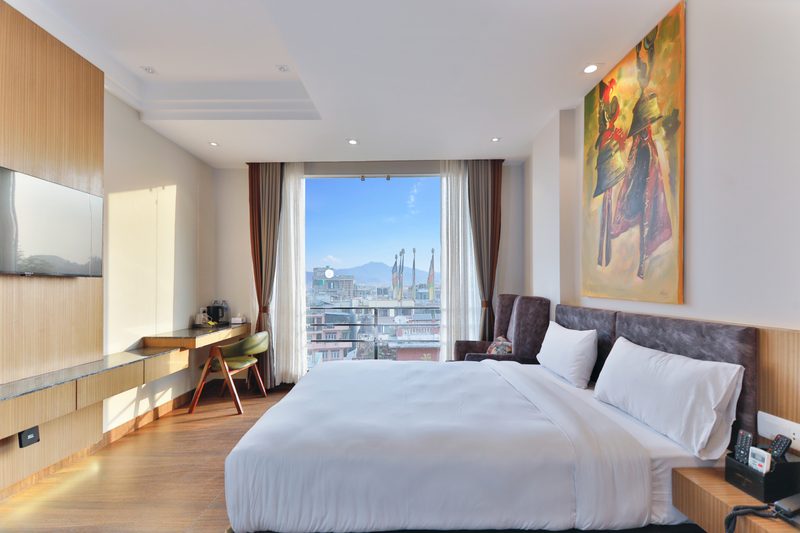
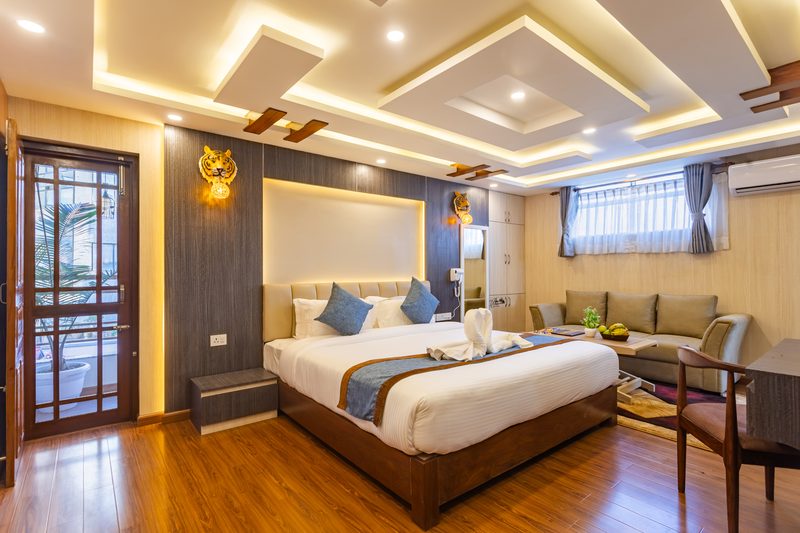
Where to Stay in Kathmandu in July
Hand-picked hotels across price tiers for July travellers.
July Events & Festivals
What's happening during your visit
Early July
Guru Purnima
The full moon day dedicated to spiritual teachers sees students offering garlands and sweets at temples and monasteries across the valley. At Swayambhunath (the Monkey Temple), the morning chant of monks mixes with the smell of burning ghee lamps and wet stone steps. It's less a tourist spectacle than a quiet observance. You're welcome to watch. Don't interrupt the ceremonies.
Packing Checklist
Bookmark this page — your progress is saved between visits
Need the full list with shopping links?
Climate-specific gear, brand recommendations, and what to leave at home.
View Kathmandu Packing List →Essential Tips
Insider knowledge and common pitfalls to avoid
Insider Knowledge
Locals drink hot ginger-lemon tea year-round. In July they add turmeric. Find it at any roadside stall for a warming boost between showers.
The best time to visit Swayambhunath is just after dawn. Go before the morning rain clouds gather. You'll see the valley floor still steaming from overnight showers.
Monsoon discounts at heritage hotels aren't advertised online. Call directly. Ask for 'rainy season rates' for savings of up to 40%.
If domestic flights get canceled, consider the tourist buses to Pokhara. The 200 km (124 mile) journey takes 7-8 hours in July rains. You'll see waterfalls along the Prithvi Highway that don't exist in dry months.
Avoid These Mistakes
Booking tight connections between international arrival and domestic flights? Allow at least one buffer day for monsoon delays. Always.
Assuming all restaurants are air-conditioned? Many older places in Patan and Bhaktapur rely on ceiling fans that just circulate humid air. Check first.
Wearing expensive leather shoes? The combination of monsoon mud and open sewage drains in some alleys will ruin them in one outing. Don't risk it.
Explore More Activities in Kathmandu
Didn't see anything interesting yet?
Browse Viator's full catalog of tours, day trips, food experiences, and private guides in Kathmandu.
See All Kathmandu Tours on Viator